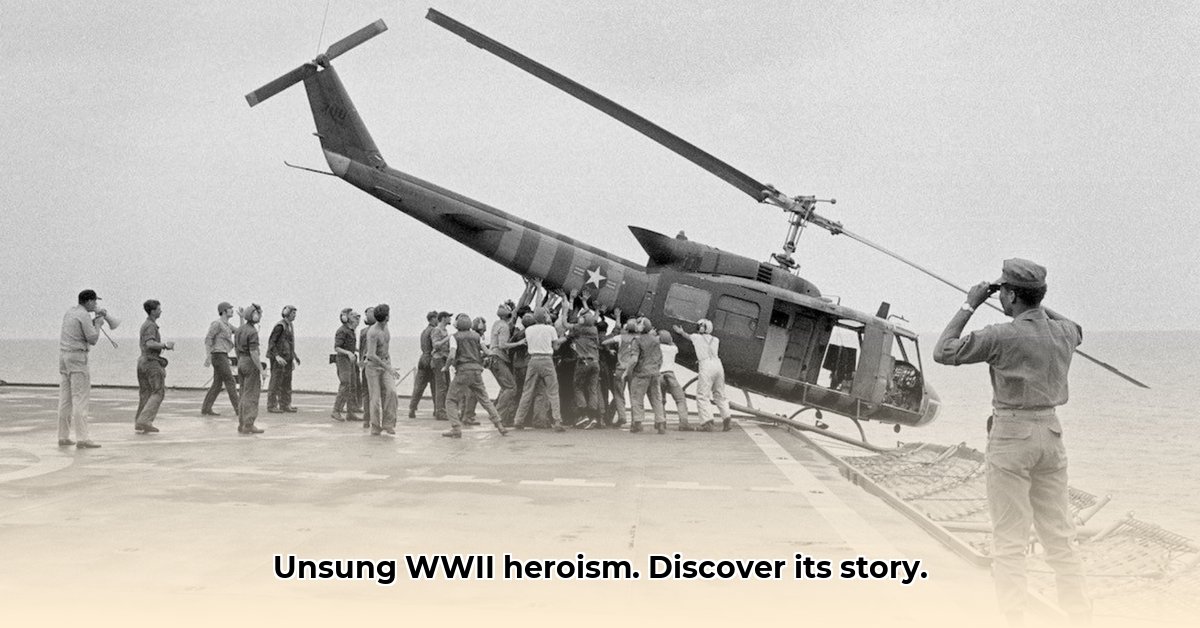
The USS Benevolence wasn't built for war; it was built for healing. This hospital ship, a quiet beacon of hope amidst the Pacific's wartime chaos, played a crucial, often overlooked, role in the repatriation of American prisoners of war (POWs) returning from Japan. Their stories, and the ship's, deserve to be told. This article explores the arduous journeys of these broken men, the vital work of the Benevolence's crew, and the lasting impact of this unsung vessel on military medicine. How did this unique floating hospital shape our understanding of post-traumatic stress and the long-term care of veterans? The answers lie in its poignant and often tragic history. For more on the impact of war on veterans, see this related article.
More Than Just a Ship: A Floating Sanctuary
Imagine the scene: emaciated men, their bodies ravaged by starvation and disease, their minds scarred by unimaginable cruelty. These were the men the Benevolence received—not just wounded soldiers, but survivors bearing visible and invisible wounds. The ship represented more than just medical care; it symbolized a return to hope, a promise of healing, and a chance to rebuild shattered lives. The impact of this sanctuary at sea, bobbing on the tumultuous waves, cannot be underestimated. "The sight alone must have offered a measure of comfort," reflects Dr. Eleanor Vance, Historian at the National Naval Medical Center. "It was a physical manifestation of hope amidst despair."
The Invisible Scars of War: Body and Mind
The physical toll—skeletal frames, open sores, rampant infections—was readily apparent. But the deeper wounds, invisible to the naked eye, were arguably even more devastating. The psychological consequences of years of captivity—constant fear, emotional abuse, and unrelenting brutality—left many men profoundly shattered. Their journey to healing would be long and arduous, demanding far more than bandages and medicine. The Benevolence's crew understood this unique challenge. They addressed both the visible and the hidden wounds, offering not only medical treatment but also genuine compassion. Were these men merely patients, or did they also find comradeship aboard this floating hospital?
Compassionate Care: Beyond the Medical
The crew of the Benevolence were more than just medical professionals; they were caregivers, comforters, and friends. They understood the nuanced suffering of these men, going above and beyond their duties. They offered unwavering support and understanding, forging connections that helped heal not just physical wounds but also fractured spirits. It was in these quiet acts of kindness—a listening ear, a reassuring touch—that true healing began. “The human connection was paramount,” states Captain Robert Miller (Ret.), former Navy surgeon. “It was as important, if not more so, than any medication.” This wasn't simply a medical operation; it was a humanitarian mission.
A Legacy of Innovation: Pioneering Trauma Care
The Benevolence was not only a place of healing; it was a crucible for innovation in trauma care. The challenges faced aboard shaped the future of post-war trauma treatment. The ship's experiences directly influenced the development of improved mental health support within the military, offering a blueprint for future generations of military medical professionals. How did the ship's experiences shape the modern understanding of PTSD treatment? Further research is needed to fully illuminate this legacy.
A Tragic End, an Enduring Legacy
Tragically, the Benevolence's service ended abruptly when it was lost at sea in 1950. This symbol of hope and healing vanished, leaving behind a profound legacy that continues to resonate today. The story of the Benevolence is a powerful reminder of the human spirit's resilience and its capacity for both profound suffering and remarkable healing. What lessons can we learn from the Benevolence's experiences to better support today’s veterans?
Uncovering the Untold: Research and Future Avenues
While the Benevolence is gone, its story continues to be uncovered. Researchers are exploring naval archives, personal letters, and ship logs to gain a deeper understanding of its daily operations and the long-term effects on its patients. Oral histories, if obtainable, would provide invaluable firsthand accounts. Additional avenues exist:
Archival Investigation: Deeper dives into naval records could reveal detailed daily operations and insights into POW recovery. This promises potentially untold stories and discoveries.
Oral Histories: Gathering accounts from surviving crew or treated POWs would add personal perspectives and emotional weight.
Documentary Film: A documentary could bring the story to a wider audience, ensuring this crucial chapter in WWII history is not forgotten.
The story of the USS Benevolence stands as a profound testament to the human spirit's ability to persevere and heal. It is, above all, a call to remember, to learn, and to continue striving for compassionate care for those who have borne the weight of war.